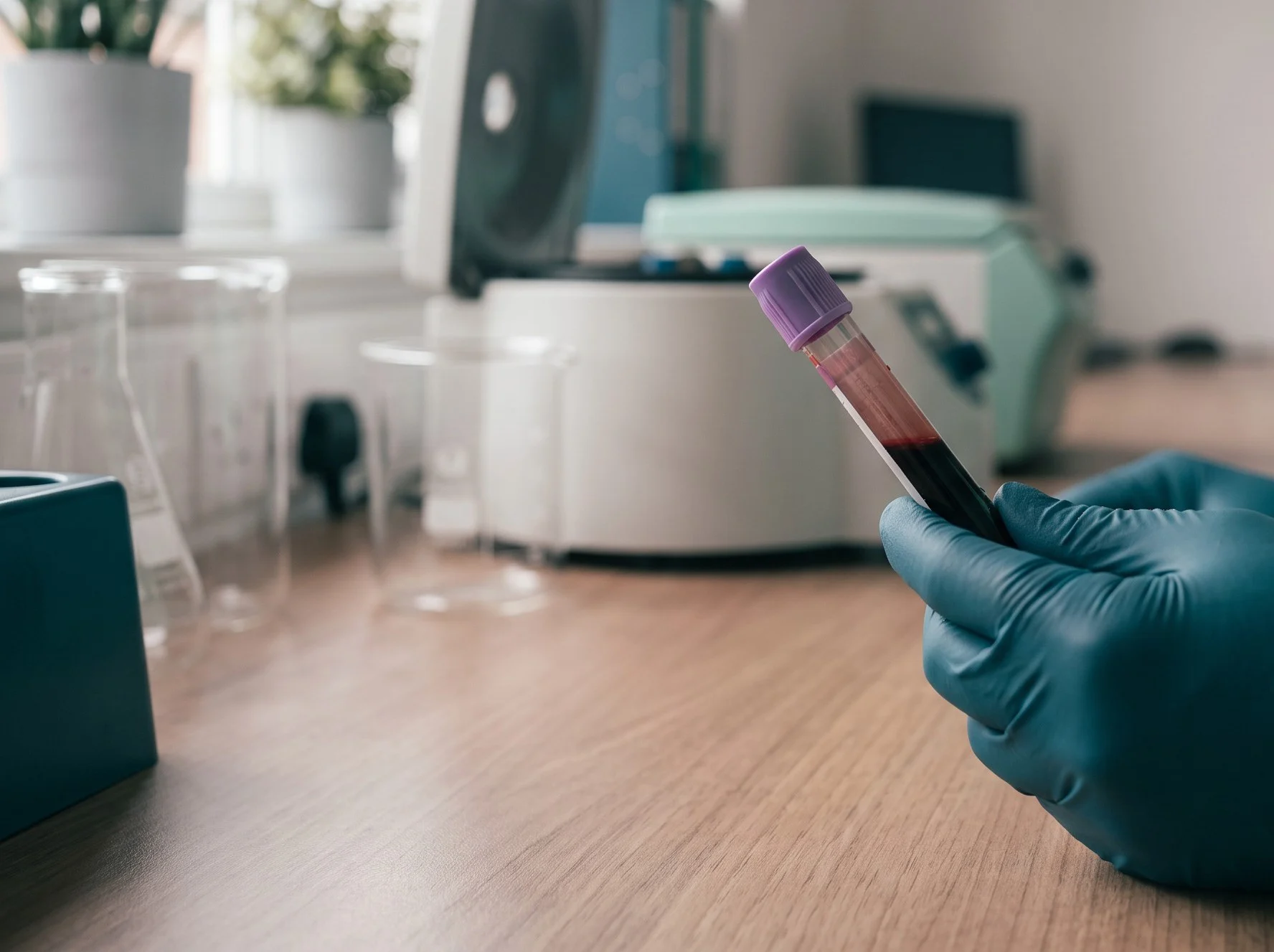
A PSA test measures prostate-specific antigen in the blood. A raised level can be caused by an enlarged prostate, infection, recent exercise or a procedure — as well as cancer. This guide explains what happens after a raised result.
What is PSA?
PSA is a protein made by the prostate. Small amounts are normal in the blood. The level tends to rise with age and with prostate size, which is why the result is interpreted against your age and history rather than as a single cut-off.
Why results vary
Infection, ejaculation in the previous 48 hours, cycling, a urinary catheter or a recent camera test can all push the number up. A repeat test a few weeks later often settles the question.
What happens next
Mr Krishnan examines the prostate, repeats the PSA if appropriate and, where the picture is unclear, arranges a multiparametric MRI first. Only if the MRI shows an area of concern is a targeted transperineal biopsy recommended — lower infection risk than the older transrectal route.
When to be reassured
A stable PSA in keeping with your age and prostate size, a normal examination and a clear MRI are very reassuring. Many men simply need a repeat test in a year.
“A raised PSA is a reason to look properly, not a diagnosis.”
Mr Krishnan
Book a PSA assessment
One visit at Woodthorpe Hospital: consultation, examination and PSA, with MRI arranged the same week if needed. £250, no GP referral required.